- Your cart is empty
- Continue Shopping

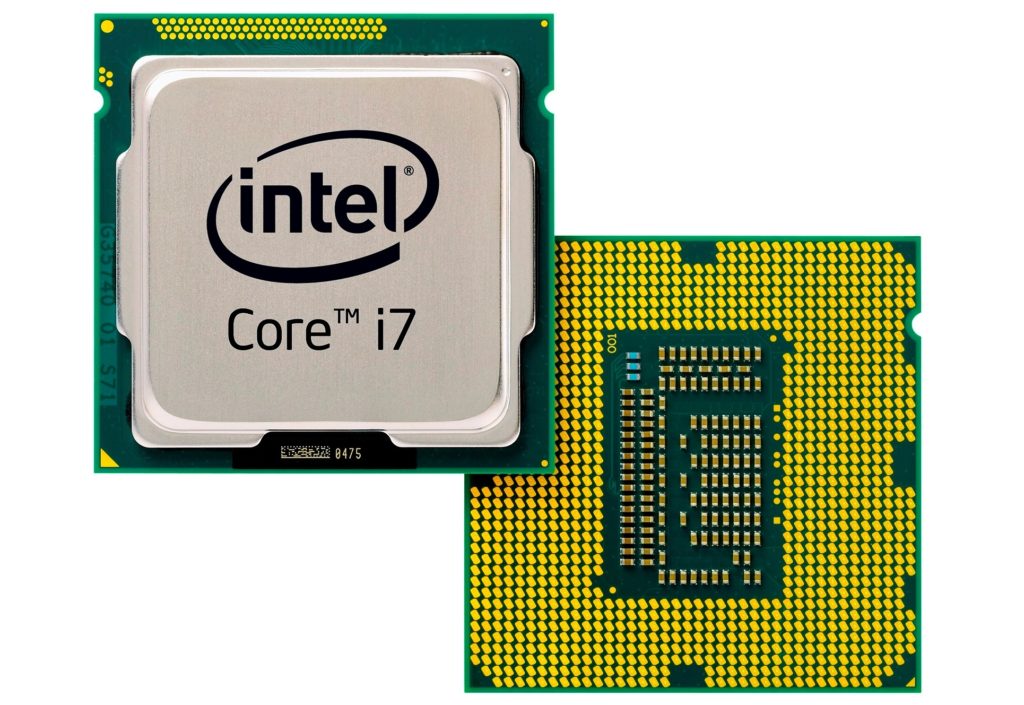
Microprocessor
The microprocessor, often referred to as the brain of the personal computer (PC), plays a critical role in the functioning of the entire system. Also known as the Central Processing Unit (CPU), the microprocessor is the primary component responsible for executing instructions and managing the operations of all other hardware and software elements within the computer. It performs complex calculations, processes data, and controls the sequence of operations carried out by the computer’s memory, input/output devices, and storage units.
Functionally, the microprocessor carries out several key tasks:
-
Instruction Fetching and Decoding: It retrieves instructions from the computer’s memory and decodes them to determine the required operation.
-
Data Processing: The CPU performs arithmetic and logical operations such as addition, subtraction, comparison, and bit manipulation.
-
Control Operations: It directs the flow of data between the computer’s memory, input/output devices, and storage, ensuring that operations occur in the correct order and at the right time.
-
Program Execution: The microprocessor follows a cycle of fetching, decoding, and executing instructions to run applications and system processes efficiently.
-
Multitasking: In modern systems, microprocessors manage multiple tasks at once by rapidly switching between them or processing them simultaneously in multicore architectures.
Overall, the microprocessor is a compact but powerful chip that orchestrates all the activities within a computer system, making it an essential and foundational component in modern computing.
Reviews
There are no reviews yet.