- Your cart is empty
- Continue Shopping

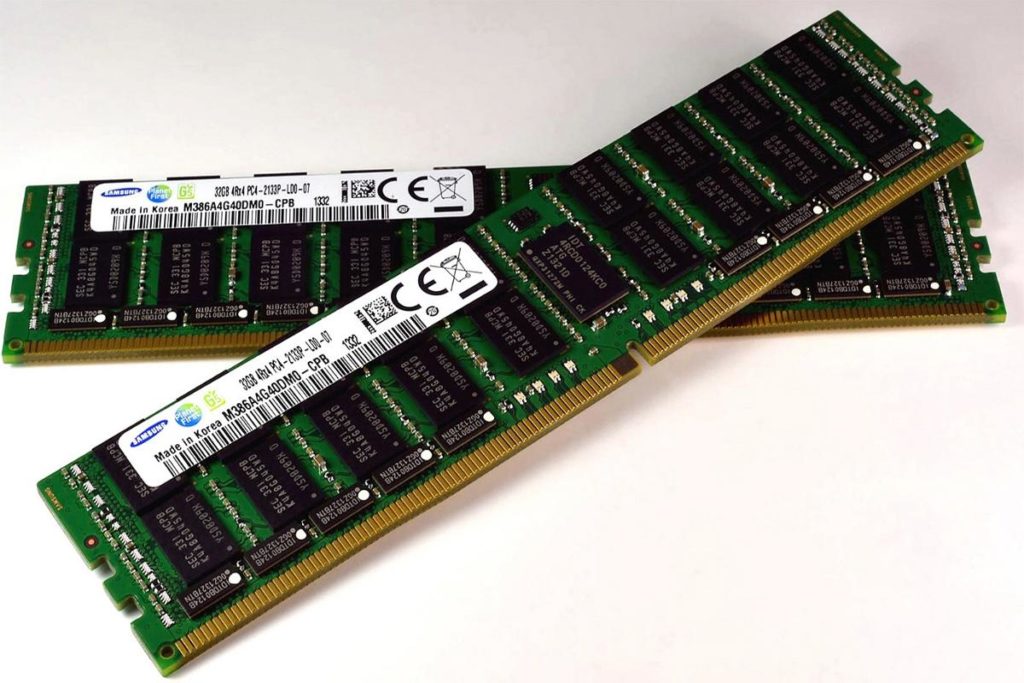
Memory (RAM and ROM)
Random Access Memory (RAM)
Random Access Memory, commonly known as RAM, is a vital component in a personal computer (PC) and plays a critical role in the overall performance and efficiency of the system. RAM is used in various parts of a computer, including the motherboard, video card, sound card, and cache memory, to provide high-speed data access and temporary storage.
System RAM, in particular, is a type of high-speed memory that serves as a temporary workspace for the microprocessor. It stores active data, running programs, and processes that the CPU needs quick access to while performing tasks. This allows the system to operate efficiently and respond swiftly to user commands. Unlike permanent storage devices such as hard drives or SSDs, RAM is volatile, meaning that all the data stored in it is lost when the computer is powered off or restarted.
In essence, RAM can be thought of as the microprocessor’s working desk. The larger and faster the RAM, the more data and applications the system can handle simultaneously without slowing down. RAM capacity is typically measured in megabytes (MB), and more recently in gigabytes (GB), due to the increasing demands of modern software and operating systems. While older PCs were commonly equipped with at least 64MB of RAM, newer systems often come with several gigabytes to support multitasking and memory-intensive applications. Some systems are expandable and can support up to 512MB or more, depending on the motherboard specifications.
Reviews
There are no reviews yet.